 Clinton, South Carolina, Sunday, December 24, 2017, 11:17 a.m.
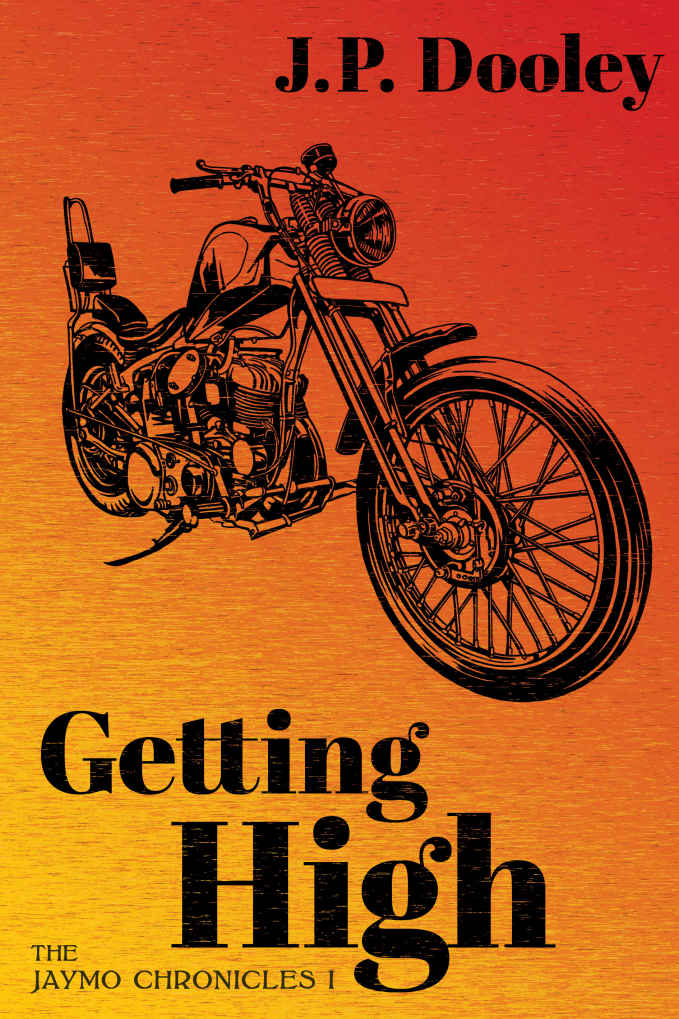
I’ve never been anywhere near the same distant universe as J.P. Dooley’s Getting High: The Jaymo Chronicles I, and I haven’t really read another novel like it.
Tom Wolfe’s The Electric Kool-Aid Acid Test. Maybe, though it wasn’t a novel.
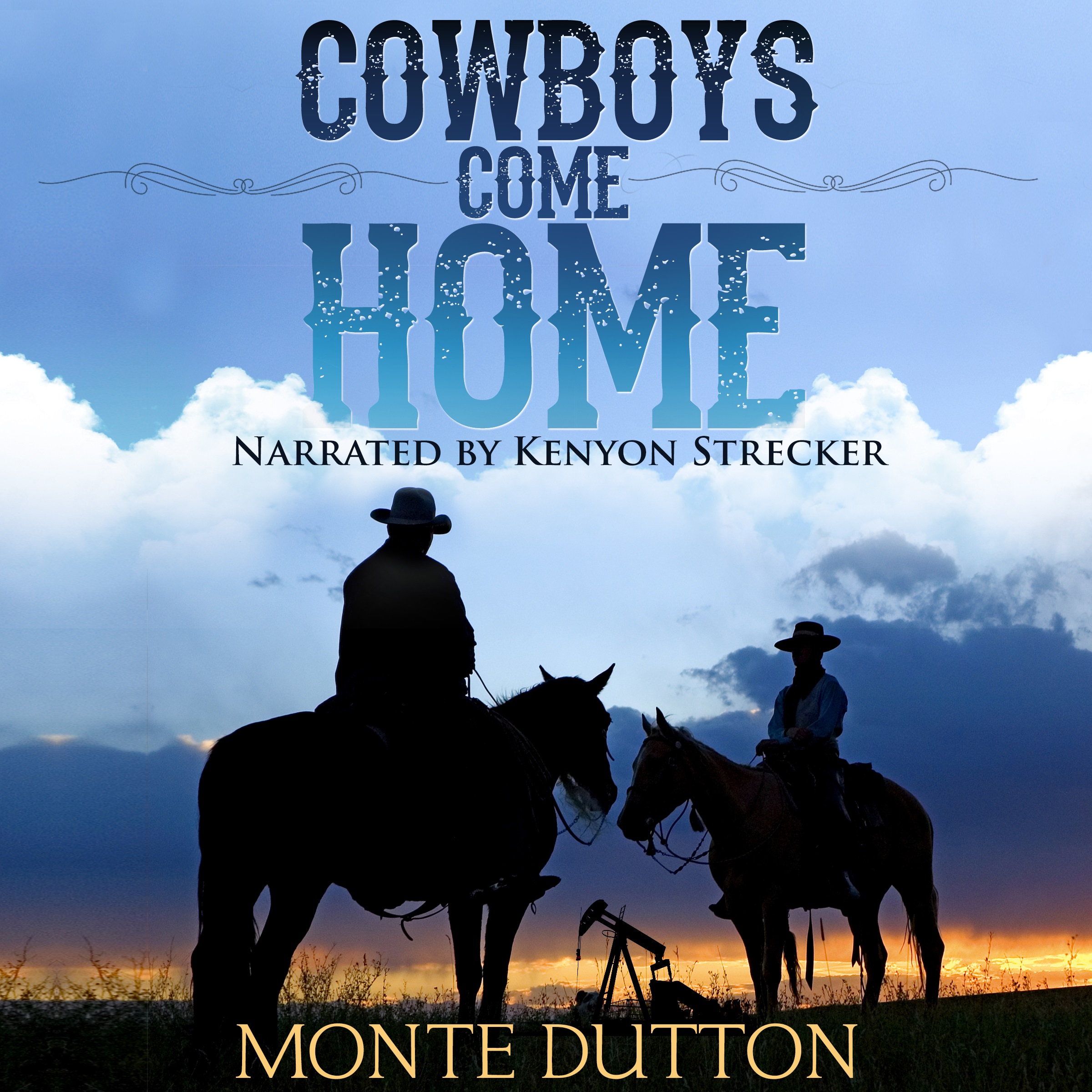 I’ve written about the dangerous release of post-war depravity in Cowboys Come Home, a novel set at the end of World War II, but that war had little to do with Vietnam, and the two Marines, Ennis Middlebrooks and Harry Byerly had even less to do with Jaymo and Tooker. Becky Middlebrooks, whose wild rebelliousness originated back home in Texas, is slightly closer, but it was a different time. Becky was reacting to the release of homeland sacrifice. World War II was ultimately triumphant; Vietnam was ultimately futile and needless.

How could the world have changed so much? Oh, maybe because Jimmy Mahoney, a.k.a. Jaymo, is a denizen of almost five decades ago. He and his contemporaries live by Hippie Law, which is rather simple: “Whatever you have to do to get high.” It’s more absolute than Libertarianism ever thought about being.
I don’t remember why I bought it in June. It could have been for research. That’s why I read Wolfe’s tale of the Merry Pranksters, but I was already a fan of Wolfe’s revolutionary non-fiction. Some influence came from the writing of fellow Clinton native Joey Holland. Getting High almost got lost in my Kindle. I sampled the detective classics of Raymond Chandler and Dashiell Hammett for much of the summer and fall while writing about a stock car racer I invented named Barrie Jarman and trying to rewrite the ending of a manuscript that will soon be out as Don’t Ask, Don’t Tell.
 When I finally embarked upon Getting High – not a double entendre – it seemed entirely possible that I would only sample it and set it aside.
But it is well-written. No. It is exquisitely written.
The author is a self-professed graduate of Vietnam and psychedelics, and whatever their deleterious effects, they did not leave his writing skills impaired. Jaymo follows a terrain common to the roads traveled by Peter Fonda, Dennis Hopper, and Jack Nicholson in Easy Rider, a classic movie. The interstates have replaced those roads. Dooley’s prose has not.
Kindle is a useful reading vehicle because Dooley’s skilled words are sprinkled with words I do not know, and Kindle allows the reader to look them up instantly where once I kept a dictionary at hand for such knowledge. Some of his words occur in no dictionaries, at least not the ones downloaded into Kindles, but he writes so well that the reader is able to figure them out.
It’s left me contemplative. Yesterday I was as irreverent on Twitter as if I’d been stoned. I was, but on non-stop football. For the last few days, I read it as if I were on one of Jaymo’s benders, jangled in the flow of Dooley’s elegant, if often fragmented, sentences.
The audio version of Cowboys Come Home is available on Audible, iTunes and, by clicking here, Amazon.
Forgive Us Our Trespasses, my wild tale of Southern crime and political corruption, is available on an Amazon Kindle sale for $0.99 all week. Download it here.
The books of mine that are not on sale are still quite inexpensive. Shop their impressive variety here.
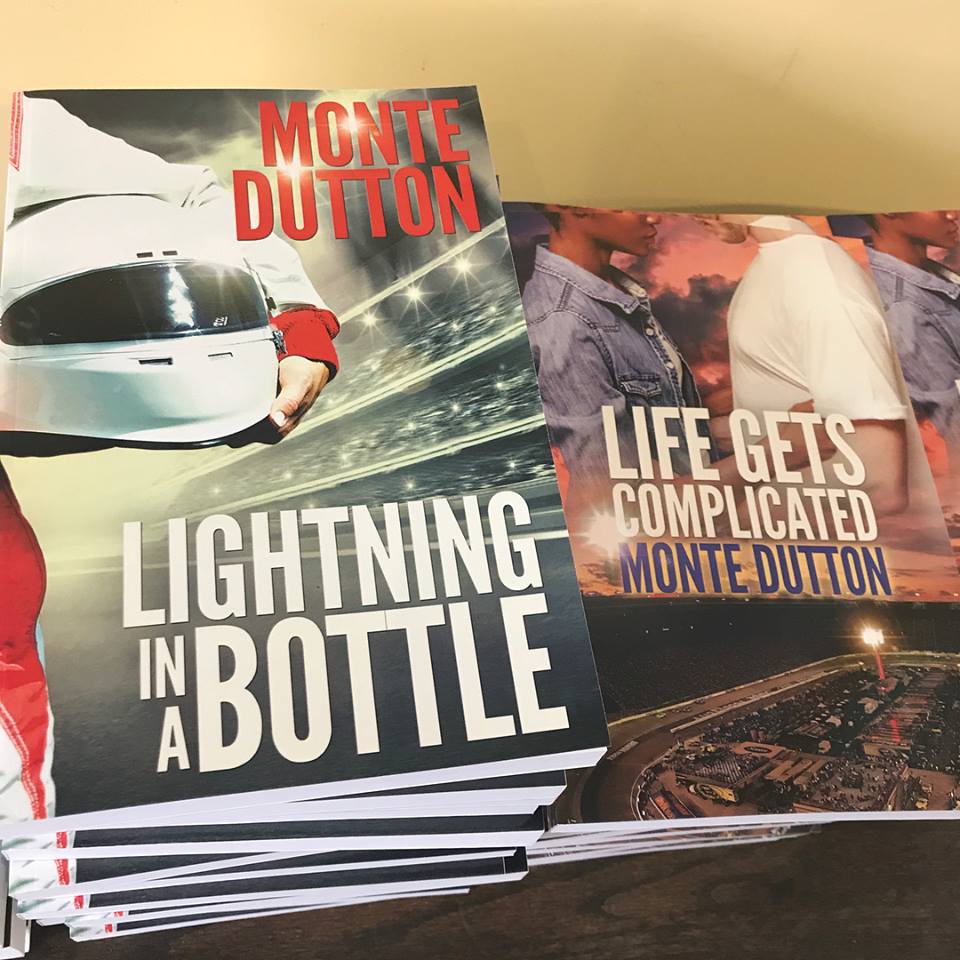
Signed copies of three of my seven novels — Cowboys Come Home, Lightning in a Bottle, and Life Gets Complicated — are available in uptown Clinton at L&L Office Supply and Ella Jane’s, and in Spartanburg at Hub City Bookshop.
 Nightrider's Lament